Breaking News for Motorcycle Riders in Pakistan 2026: Rs 5,000 Fine on the Spot, Traffic Police Strict Action & New Guidelines
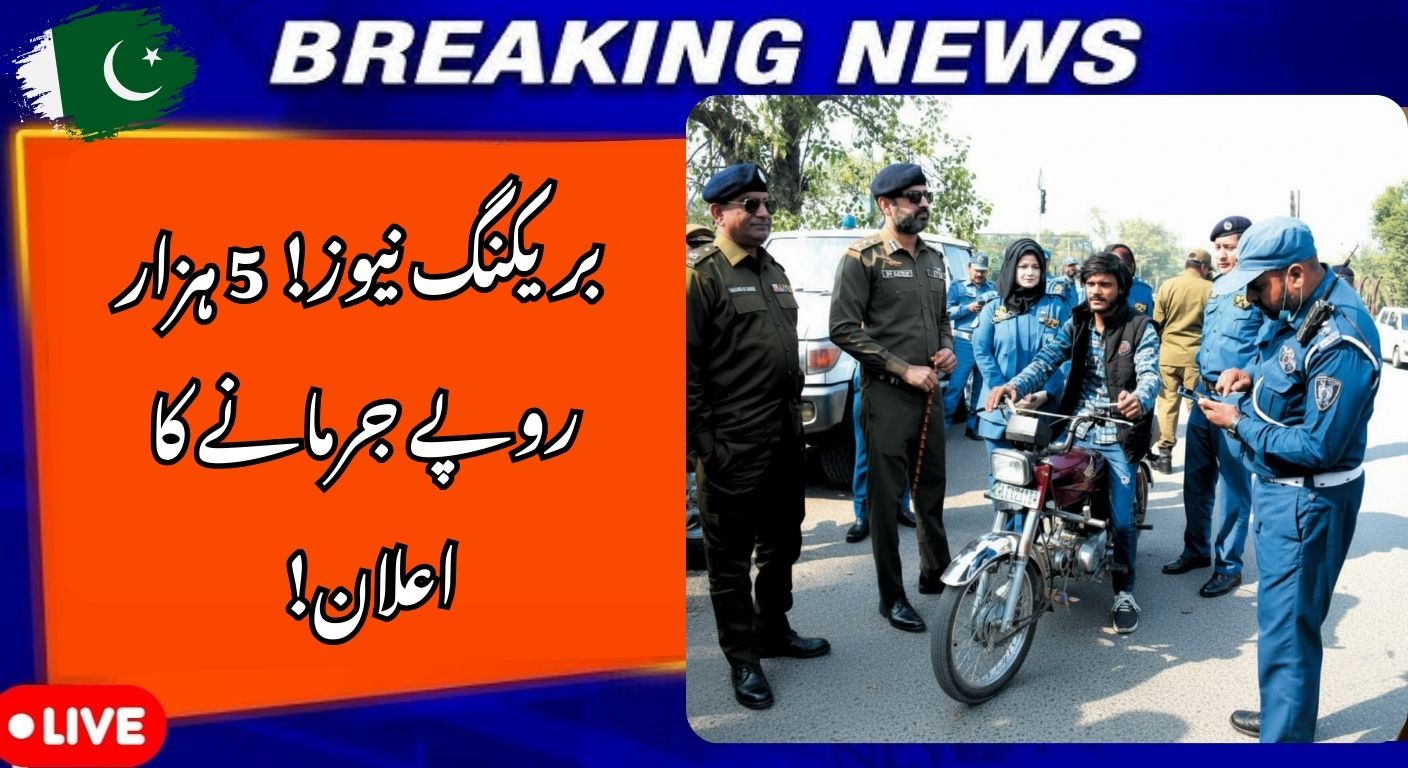
Motorcycle riding is one of the most common and convenient modes of transport in Pakistan. Millions of people use motorcycles daily for commuting, work, and errands. However, with rising traffic and frequent accidents, the Traffic Police of Pakistan have issued strict guidelines for motorcycle riders in 2026. These rules aim to ensure safety, reduce accidents, and maintain smooth traffic flow.


In this guide, we will explain all the requirements for riders, including licenses, helmets, parking rules, bike maintenance, fines, and more. Following these rules is essential for legal compliance and personal safety.
1. Driving License: A Must for All Riders
One of the first requirements by the Traffic Police is that all motorcycle riders must have a valid driving license. Riding without a license is illegal and can result in fines or legal action.
Key Points:
- Only a government-issued motorcycle license is valid.
- Learner permits are not accepted for long-term riding.
- Riders must carry their license at all times during travel.
- Police may check licenses randomly on roads, highways, and near traffic signals.
Having a license not only ensures you are legally allowed to ride but also proves you are trained and familiar with road safety rules.


2. Helmet: Your Life-Saving Gear
Wearing a helmet is mandatory for all riders. This is a critical safety measure designed to protect riders from serious injuries in case of accidents.
Helmet Rules:
- Helmets must meet safety standards and be properly fastened.
- Cheap or toy helmets are not allowed.
- Both riders and pillion passengers must wear helmets.
The Traffic Police have emphasized that even though fines may sometimes be temporarily relaxed, helmets are still required by law, and riding without one is unsafe.
Souce Link: Check News
3. Parking Guidelines for Motorcycles
Improper parking causes traffic jams, accidents, and inconvenience to other road users. Traffic Police have outlined clear parking rules for motorcycles:
Parking Rules:
- Motorcycles should be parked in a single line, not blocking roads or sidewalks.
- Do not park on main roads, busy intersections, or pedestrian pathways.
- Always use designated motorcycle parking areas where available.
Correct parking ensures smooth traffic flow and reduces the chances of your motorcycle being fined or towed.
4. Number Plates and Identification
Every motorcycle must have clearly visible front and rear number plates. The plates must be:
- Clean and readable
- Fixed securely to the bike
- Free from damage or alteration
Number plates are essential for vehicle identification and legal compliance. Police use them to identify vehicles involved in traffic violations or accidents.
5. Safety Equipment and Maintenance
Apart from licenses and helmets, motorcycles must be properly maintained to ensure safety. The Traffic Police have specified the following required equipment:
- Front and rear lights: For visibility at night or in poor weather.
- Turn indicators: To signal direction changes.
- Side mirrors and rear-view mirrors: For awareness of surrounding traffic.
- Chain cover: To prevent accidents caused by moving chains.
Riders are advised to check their motorcycles daily before riding, especially brakes, lights, and tire conditions. Proper maintenance prevents accidents and ensures your bike is roadworthy.
6. Grace Period for Compliance
To help riders comply with these rules, the Traffic Police have announced a one-week grace period in 2026. During this period, riders can adjust their motorcycles, buy helmets, or fix equipment without immediate fines.
Important Notes:
- The grace period is temporary.
- After one week, non-compliant riders may face:
- A fine of PKR 5,000
- Motorcycle confiscation if parked improperly or in violation of rules
- Police may conduct spot checks in cities, highways, and busy intersections.
This grace period is a chance for riders to ensure they meet all safety requirements and avoid penalties.
7. Penalties and Fines
After the grace period ends, strict enforcement begins. The penalties include:
| Violation | Penalty / Action |
|---|---|
| Riding without helmet | PKR 5,000 fine |
| Riding without a license | PKR 5,000 fine or legal action |
| Parking on main roads / wrong areas | Bike may be impounded |
| Missing or illegible number plate | PKR 2,000–3,000 fine |
| Faulty lights, mirrors, or indicators | Fine + warning |
Traffic Police warn that repeat offenders may face heavier fines or license suspension, especially for unsafe riding or causing accidents.
8. Why These Rules Matter
These regulations are not just about fines—they are about saving lives and creating safer roads.
Benefits of Compliance:
- Reduces accidents and injuries
- Prevents traffic congestion
- Ensures fair law enforcement for all riders
- Encourages responsible riding habits
Statistics show that wearing helmets and using proper safety gear can reduce fatal injuries by up to 50%. Compliance helps protect riders and passengers alike.
9. Tips for Motorcycle Riders in 2026
To follow the rules effectively, riders should keep these tips in mind:
- Always carry your driving license
- Wear a certified helmet every ride
- Check your bike lights, mirrors, and chain daily
- Park in proper designated areas
- Keep your number plates clean and readable
- Follow speed limits and traffic signs
- Avoid carrying more passengers than allowed
- Update yourself on local traffic rules regularly
By following these tips, riders can ensure safety, avoid fines, and enjoy smooth riding in all conditions.
10. Role of Traffic Police
The Traffic Police are responsible for:
- Enforcing safety rules and laws
- Educating riders about proper practices
- Conducting regular inspections and spot checks
- Ensuring smooth traffic flow and reducing accidents
They encourage all riders to cooperate and view these regulations as supportive measures rather than strict punishments.
Conclusion
Motorcycle riders in Pakistan must comply with the 2026 Traffic Police guidelines to ensure safety and avoid penalties. Key points include:
- Carry a valid driving license
- Always wear a helmet
- Park in designated areas only
- Maintain all bike equipment in proper condition
- Display clear front and rear number plates
The Traffic Police have provided a one-week grace period to allow compliance. After that, fines and confiscation may occur.
By following these rules, riders not only avoid legal trouble but also contribute to safer roads and responsible riding culture in Pakistan. Riding safely protects your life, passengers, and the community.