USA Suspends Immigrant Visas for 75 Countries in 2026: What It Means for Pakistan and Others
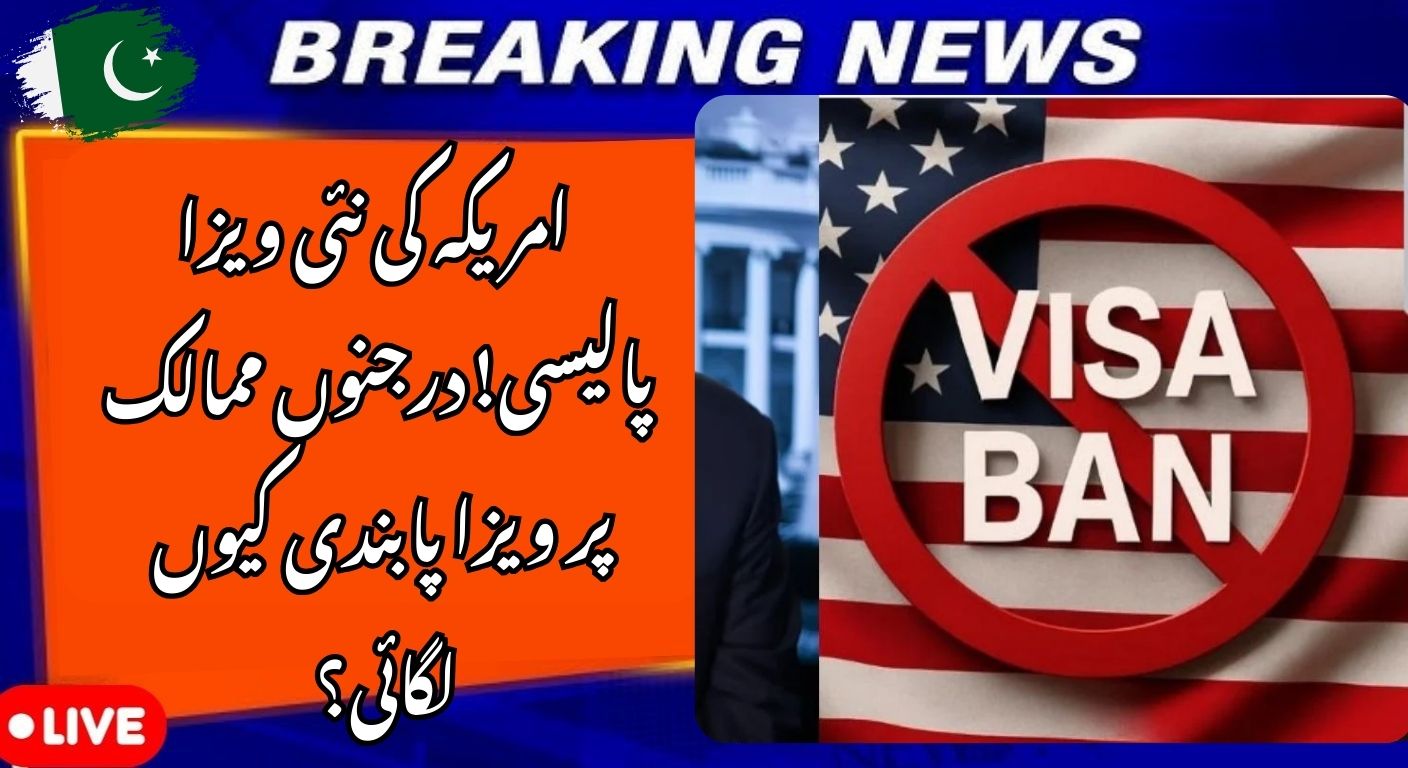
The United States of America has announced a major change in its immigration policy for 2026. Immigrant visas for 75 countries, including Pakistan, have been temporarily paused. This unexpected decision has shocked millions of applicants worldwide.



If you are from Pakistan or another affected country, this guide explains the suspension, its reasons, the countries affected, and what you should do next—all in easy-to-understand terms.
What Is the USA Immigrant Visa Suspension 2026?
The U.S. government has temporarily stopped issuing immigrant visas for citizens of selected countries. This applies to family-based, employment-based, and diversity visas.
Key Points:


- Suspension starts: January 21, 2026
- Applies to immigrant visas only
- Duration: Indefinite (no confirmed end date)
- Purpose: Review and improve screening and vetting rules
All U.S. embassies and consulates worldwide have been instructed to pause processing immigrant visa applications until further notice.
Why Did the USA Pause Immigrant Visas?
The main goal is to reassess visa screening standards under U.S. immigration law. The U.S. government wants to ensure that new immigrants are financially self-sufficient and will not rely on government assistance after moving to the country.
Core Reasons Behind the Policy:
- Concerns about applicants becoming a public charge
- Evaluating financial stability and employment prospects
- Assessing healthcare costs and risks
- Preventing long-term dependency on U.S. government aid
It’s important to note: This is not a ban. It is a temporary administrative pause while policies are reviewed.
Official Statement from the U.S. State Department
Tommy Piggott, a spokesperson for the U.S. State Department, confirmed the policy. He stated:
- The suspension is based on existing legal authority
- The goal is to protect U.S. taxpayers from potential financial burdens
- The pause is law-driven, not political
Countries Affected by the 2026 Visa Suspension
A total of 75 countries are impacted, including nations from South Asia, the Middle East, Africa, Europe, and the Americas.
| Region | Countries |
|---|---|
| South Asia | Pakistan, Bangladesh, Nepal |
| Middle East | Iran, Iraq, Syria, Yemen |
| Africa | Nigeria, Somalia, Sudan, Ethiopia |
| Europe | Russia, Belarus, Moldova |
| Americas | Haiti, Cuba, Guatemala |
| Asia-Pacific | Thailand, Mongolia, Laos |
Pakistan is officially included, so all immigrant visa approvals for Pakistani applicants are on hold until further notice.
Which Types of US Visas Are Affected?
Not all U.S. visas are affected by this suspension.
Affected Visas:
- Family-based immigrant visas
- Employment-based immigrant visas
- Diversity Visa (DV) lottery
Not Affected:
- Tourist visas (B1/B2)
- Student visas (F-1, M-1)
- Work visas (H-1B, L-1)
- Diplomatic visas
- Other non-immigrant visas
This means students, tourists, and temporary workers can still apply and travel to the USA.
New Screening Rules Explained
The U.S. government has issued new, stricter screening criteria for immigrants. Visa officers are instructed to assess applicants more thoroughly.
Factors Being Reviewed:
- Age of applicant
- Chronic health conditions
- English language ability
- Employment prospects
- Financial stability
- Medical insurance coverage
Applicants with long-term illnesses, limited income, or past public assistance use may face a higher risk of visa denial.
Who Is Most Likely to Be Rejected?
Based on current guidance, certain groups may face challenges:
- Elderly applicants
- Applicants with chronic illnesses or health issues
- Individuals with past public assistance history
- Low-income applicants without sponsors
- People with previous institutionalization or government support
What Happens to Pending Visa Applications?
If you have already applied for an immigrant visa:
- Your application is paused, not cancelled
- No interviews will take place during the suspension
- No approvals will be issued
- Your application remains on record until policies are updated
Can You Appeal or Reapply?
At this stage:
- Appeals are not accepted
- Reapplications will face the same freeze
- Legal challenges may take time
- Experts recommend waiting for official reopening announcements
How Long Will the Suspension Last?
There is no official end date for this pause.
The suspension will continue until:
- New vetting rules are finalized
- Evaluation criteria are approved
- Embassies receive fresh instructions
This process could take several months, so applicants must remain patient.
What Should Pakistani Applicants Do Now?
If you are from Pakistan or another affected country, here are steps you can take:
Recommended Actions:
- Monitor updates from the U.S. embassy or consulate
- Prepare stronger financial documents
- Ensure you have valid medical insurance
- Improve English language proficiency if needed
- Avoid misinformation on social media
- Stay alert for official announcements
FAQs About the US Visa Suspension 2026
Q1: Is the USA banning immigrants in 2026?
- No. The U.S. is temporarily pausing immigrant visas for selected countries, not banning immigration.
Q2: Is Pakistan included in this policy?
- Yes, Pakistan is officially listed among the 75 affected countries.
Q3: Are student visas affected?
- No. Student visas (F-1, M-1) and tourist visas continue as normal.
Q4: When will US immigrant visas reopen?
- There is no confirmed reopening date yet. Applicants must wait for official updates.
Q5: Can I still apply for a US tourist visa?
- Yes. Non-immigrant visas are not affected by this suspension.
Conclusion
The USA immigrant visa suspension for 75 countries in 2026 is a significant change in global immigration policy.
For applicants from Pakistan:
- Patience is essential
- Preparation is key (financial, health, and documentation)
- Stay updated with official US embassy announcements
This is not a ban; it is a temporary administrative pause aimed at reviewing policies and ensuring that new immigrants can support themselves without relying on government aid.
Being informed, prepared, and patient will help applicants navigate this pause until visa processing resumes.