
Gold Price in Pakistan in 1947
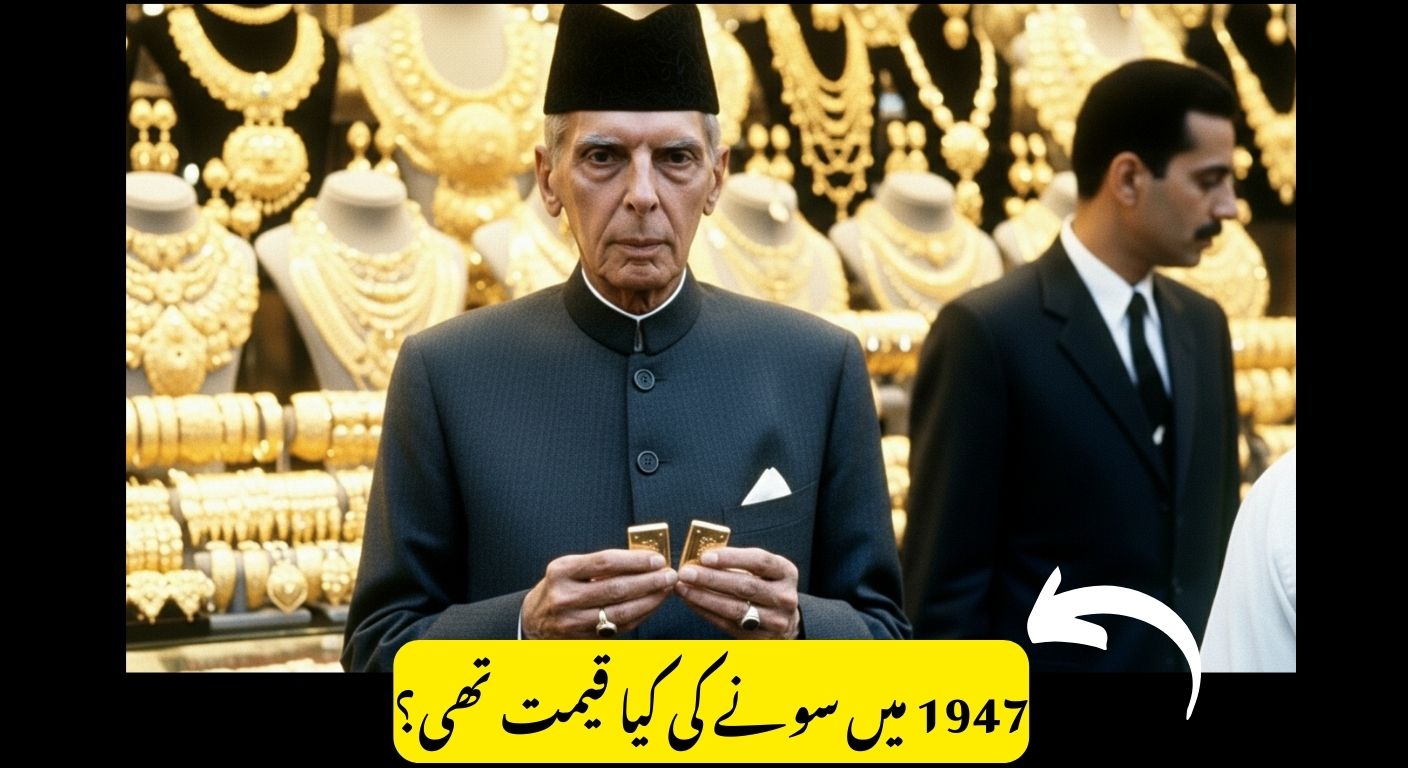
Gold has always been important in Pakistan and around the world. People buy gold for jewelry, weddings, festivals, and saving money safely. But if we look back to 1947, the year Pakistan became independent, gold was very cheap compared to today.
This article explains the price of gold in 1947, how it changed over the years, and why it became so valuable today.
Pakistan in 1947 – A New Country
In August 1947, Pakistan became an independent nation. At that time:
- People were starting their lives from scratch.
- The economy was very small and basic.
- Most people worked in farming or small businesses.
Even in those early years, gold was already part of Pakistani culture. Families bought it for:
- Weddings
- Gifts
- Saving money for future needs
However, gold was not seen as an investment like today. Prices were low because both the local and global economies were very different from modern times.
Gold Price in 1947
At independence, the price of pure 24 karat gold was very low. Historical data shows:
1 tola of 24K gold = Rs. 57–59
(A tola is about 11.66 grams and is a traditional South Asian unit of weight.)
To understand this:
- Rs. 57 in 1947 could buy a lot more than Rs. 57 today.
- Many families could afford some gold for weddings or gifts.
- Compared to today’s price of over Rs. 500,000 per tola (2026), gold was extremely cheap back then.
How Gold Prices Changed Over Time
After 1947, gold prices slowly started to rise as Pakistan’s economy and the world economy changed. Here is a simple look at the gold price per tola of 24K gold over the years in Pakistan:
| Year | Gold Price (PKR per tola) |
|---|---|
| 1947 | Rs. 57 |
| 1950 | Rs. 65 |
| 1965 | Rs. 100 |
| 1972 | Rs. 250 |
| 1981 | Rs. 2,000 |
| 1991 | Rs. 5,000 |
| 2000 | Rs. 8,000 |
| 2010 | Rs. 37,000 |
| 2020 | Rs. 113,000 |
| 2025 | ~Rs. 365,000 |
| 2026 | Rs. 542,000 |
This table shows that gold prices increased a lot over nearly 80 years.
Why Gold Prices Went Up So Much
Several important reasons explain why gold became so expensive:
- Inflation
- Inflation makes the value of money go down over time.
- As the Pakistani rupee lost value, gold prices in rupees increased.
- Global Gold Markets
- Gold is traded worldwide.
- When international gold prices rise, local prices in Pakistan also increase.
- Economic Events and Crises
- Big events like the 1970s oil crisis, 2008 financial crash, and COVID-19 pandemic made gold a “safe place” to save money.
- People buy gold when other investments seem risky.
- Weak Pakistani Rupee
- When the rupee loses value against the US dollar, importing gold becomes more expensive, which raises prices locally.
- Cultural Demand
- Gold is used in weddings, festivals, and gifts.
- Steady demand keeps prices high.
What Gold Price Growth Teaches Us
Gold price growth from Rs. 57 per tola in 1947 to Rs. 542,000 per tola in 2026 shows:
- Economies change over time.
- Money loses value, but gold retains value.
- Gold is a safe way to save money for the future.
- Families who saved gold decades ago would now be very wealthy.
Simple Example for Kids
Imagine you could buy a toy for Rs. 1 in 1947. Today, the same toy might cost Rs. 100 or more.
- Gold worked the same way: cheap in 1947, very valuable today.
- A small piece of gold saved back then could now be worth a fortune.
Why People Still Buy Gold in Pakistan
Even in 2026, gold is very popular. People buy gold because:
- It is used in weddings and cultural ceremonies.
- It is a way to save money for the future.
- It protects against inflation.
- It is a gift for special occasions.
Gold is trusted in Pakistani homes and is considered wealth and security.
Conclusion
In 1947, the price of 24K gold in Pakistan was around Rs. 57 per tola. Back then:
- The economy was small.
- Prices were low.
- Most families could afford a little gold.
Over the years, gold prices rose because of inflation, global markets, economic crises, currency changes, and cultural demand.
Today, gold is very expensive — around Rs. 542,000 per tola in 2026. Gold not only represents wealth and security but also tells the story of Pakistan’s economy from its early days to modern times.
If someone had saved gold in 1947, it would now be worth a huge fortune, showing the power of this precious metal.