Big News! Pakistan’s First Bullet Train Project 2026 – Routes, Speed & Latest Update
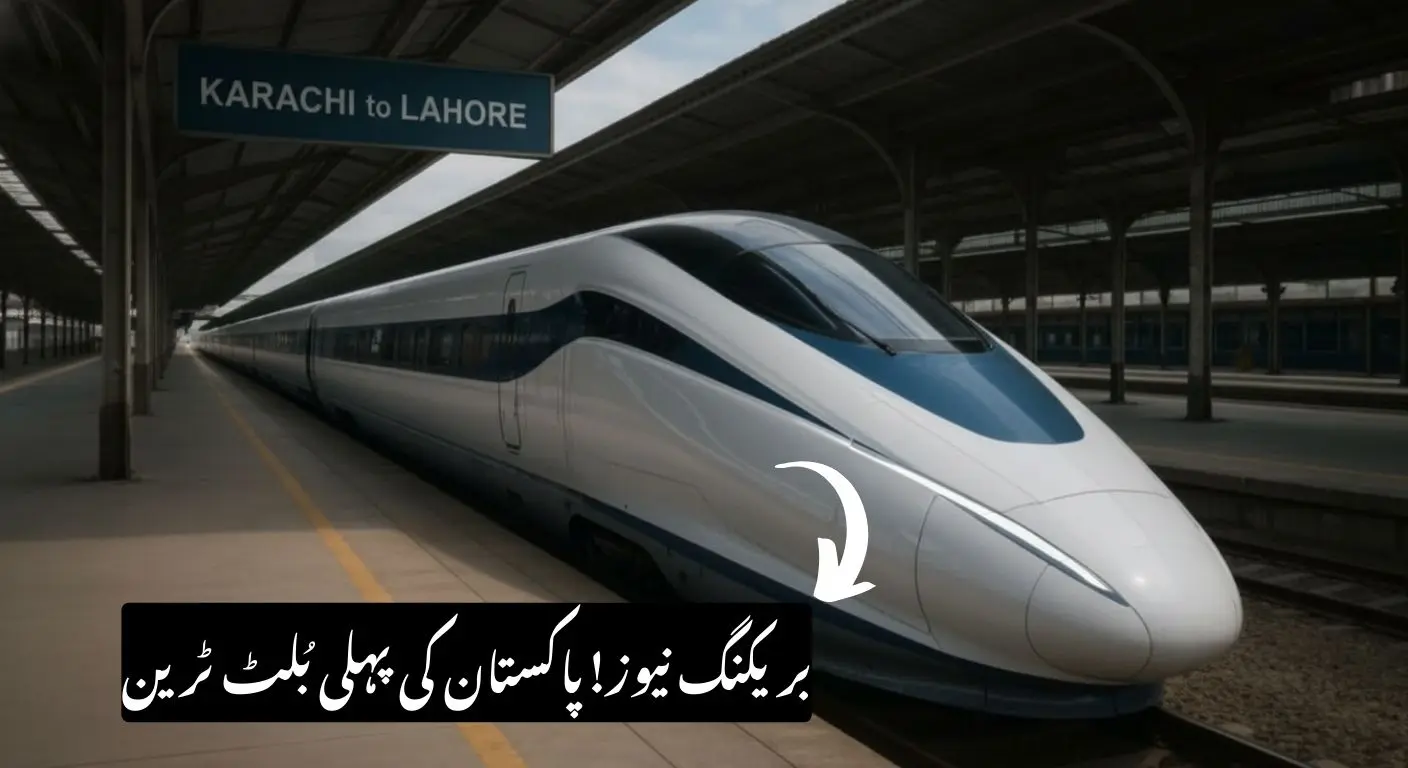
Pakistan is planning its first bullet train, which is a very fast train. This train can change the way people travel in the country. Right now, traveling between big cities takes many hours. The bullet train will save time, money, and energy for travelers.
 Rising Concerns Over High Petrol and Diesel Prices in Pakistan 2026 – Expected Reductions Could Bring Relief to Consumers and Boost the Economy
- Breaking News! High Mobile Phone Taxes Trouble Users — PTA Supports Tax Reduction in 2026
- Good News for Electricity Consumers: Tariffs Stay the Same from January 1, 2026



This article explains the bullet train project in simple words – what it is, where it will run, how fast it can go, and why it is important for Pakistan.
What Is a Bullet Train?
A bullet train is a high-speed train. It is much faster than regular trains.
In countries like Japan and China, bullet trains are already running.


Simple features of a bullet train:
- Runs at very high speed
- Modern and smooth tracks
- Comfortable seats
- Short travel time
- Safe and reliable
Speed: Bullet trains can run between 200 km/h to 300 km/h, much faster than normal trains.
Bullet Train Plan in Pakistan
Pakistan wants to upgrade its railway system, and the bullet train is part of this plan.
The government and Pakistan Railways are working on this project under the ML-1 (Main Line-1) project.
Most discussed route:
👉 Karachi to Lahore – connecting Pakistan’s two biggest cities.
Why Pakistan Needs a Bullet Train
Pakistan has millions of people traveling every day for:
- Jobs
- Business
- Education
- Family visits
Current problems:
- Roads are crowded
- Flights are expensive
- Normal trains are slow
Benefits of bullet train:
- Save travel time
- Reduce traffic on roads
- Support business and trade
- Bring modern transport to Pakistan
Route and Distance
Planned route: Karachi → Lahore
Distance: About 1,215 km
Possible stops:
- Hyderabad
- Multan
- Sahiwal
Travel Time Comparison
Current travel time:
- Normal train: 18–22 hours
- Bus/car: 20+ hours
- Airplane: 2 hours (but airport check-in takes more time)
Bullet train travel time:
- About 5 hours from Karachi to Lahore
This makes traveling much faster and easier.
Speed of the Bullet Train
Planned speed: Up to 250 km/h
Current trains: Usually run at 60–100 km/h
This is why the bullet train is so much faster.
Project Cost
Building a bullet train is expensive.
Estimated cost: Around $6.7 billion USD
This money will cover:
- New modern railway tracks
- Bridges and tunnels
- Advanced signal systems
- High-speed trains
Expected Ticket Prices
Final ticket prices are not confirmed yet, but expected prices are:
- Economy class: PKR 5,000
- Business class: PKR 10,000
This is cheaper than air travel, which costs PKR 20,000–30,000.
Timeline
The bullet train is still in planning.
Expected timeline:
- Planning & studies: 2025–2026
- Construction start: After 2026
- Testing: Around 2029
- Service start: Around 2030
Note: Dates may change because such big projects take time.
Who Will Help Pakistan?
Pakistan needs technology and expertise from other countries.
Possible partner:
- China – already has the world’s largest bullet train system
- Support may come under CPEC project
Benefits of the Bullet Train
- Fast Travel – Karachi to Lahore in about 5 hours
- Economic Growth – Helps trade, business, and industries
- Job Opportunities – For construction workers, engineers, railway staff
- Better Roads – Reduces traffic and accidents
- Modern Image – Pakistan will look more developed
Challenges
❌ High Cost – Very expensive for Pakistan’s economy
❌ Special Infrastructure – Needs new tracks and bridges
❌ Government Approval – Project is not fully approved yet
❌ Long Time – May take many years to complete
Is the Bullet Train Confirmed?
The bullet train is planned but not fully approved yet.
Some officials say it will start soon, others say it is still a proposal.
Future of Bullet Train in Pakistan
If the project is completed successfully, more routes may be added:
- Lahore → Islamabad
- Karachi → Hyderabad
This can change the way people travel in Pakistan completely.
Conclusion (Easy Words)
The bullet train is Pakistan’s dream of fast, safe, and modern travel.
It will:
- Save travel time
- Help the economy
- Create jobs
- Make life easier
Right now, it is still in planning, and many challenges exist. But if completed, it will be a big step for Pakistan’s future.