Pakistan’s Demand for Grid Electricity Is Falling as Solar Net-Metering Grows Rapidly
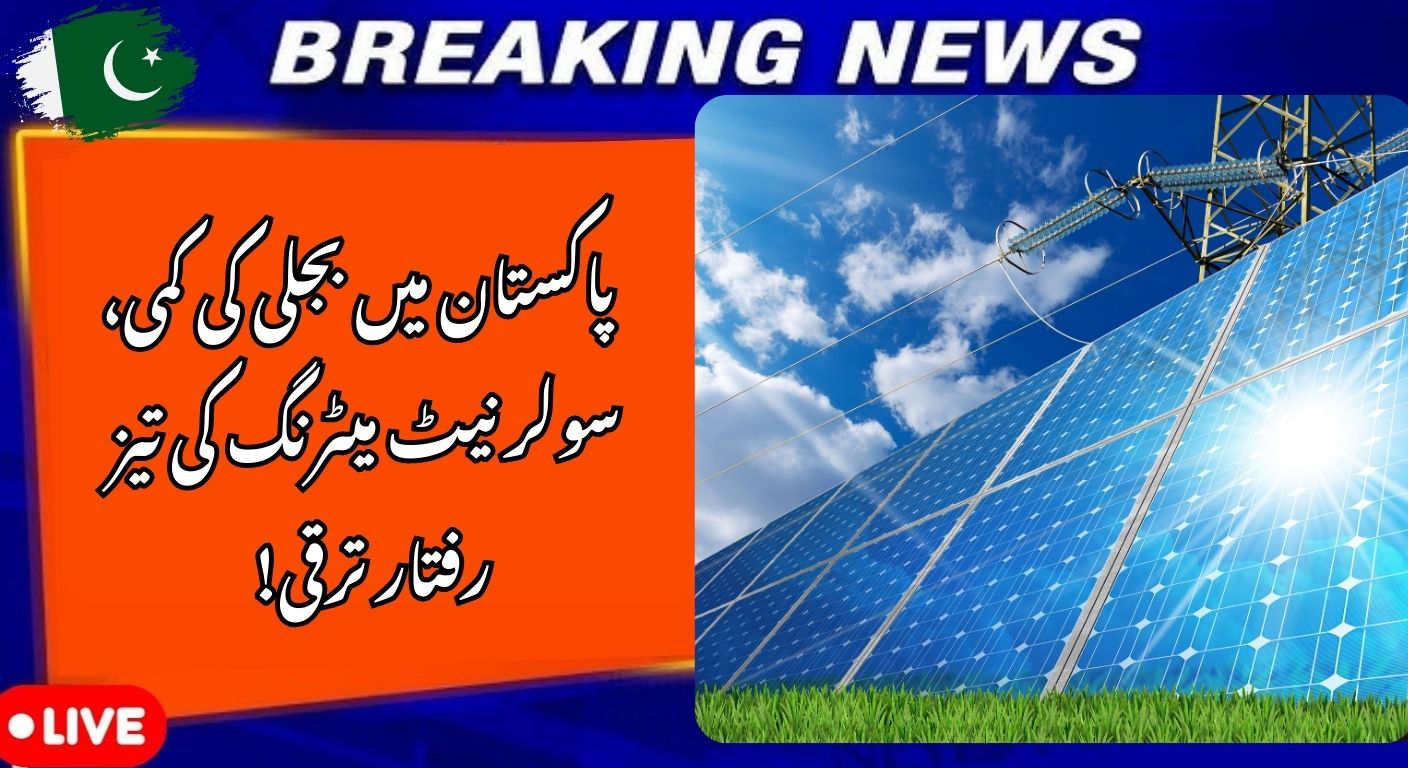
Pakistan’s power sector is going through a major transformation. While electricity generated from the national grid is seeing lower demand, the use of rooftop solar energy through net-metering is increasing at an unprecedented pace. According to the latest State of Industry Report 2025 released by the power regulator, Pakistan’s grid electricity demand has remained weak, while solar net-metering connections have increased nearly four times in just two years.


This shift reflects changing consumer behavior driven by high electricity prices, economic pressure, and the growing affordability of solar technology. Households, businesses, and industries are increasingly choosing solar energy as a way to reduce costs and gain control over their power usage.
This article explains the situation in simple English, covering electricity consumption trends, sector-wise changes, rapid solar growth, regional patterns, and the challenges facing Pakistan’s power system.
Overview of Electricity Demand in Pakistan
Pakistan’s total electricity consumption during FY2024-25 stood at 111,466.7 gigawatt hours (GWh) across all distribution companies, including K-Electric. This represents only a 1.7 percent increase compared to the previous year.



However, this small increase does not indicate strong growth. In fact:
- Electricity demand is 11.8 percent lower than FY2021-22
- Demand is 1.3 percent lower than FY2022-23
This clearly shows that Pakistan is experiencing a multi-year decline in grid electricity demand, not just a temporary slowdown.
Why Is Grid Electricity Demand Falling?
Several factors are responsible for the ongoing decline in electricity demand from the national grid.
Key Reasons
- High electricity tariffs
- Economic slowdown
- Reduced industrial activity in some sectors
- Consumer energy conservation
- Rapid shift to alternative energy sources
As electricity becomes more expensive, people naturally look for cheaper and more reliable options.
Sector-Wise Electricity Consumption Trends
Residential Sector
The residential sector’s share of electricity consumption increased to 50.5 percent in FY2024-25 from 49.2 percent the previous year.
However, this does not mean that households are using more electricity.
Instead, the increase happened because:
- Other sectors, especially agriculture, consumed less power
- Residential consumption remained relatively stable
In simple terms, the household share rose because other sectors fell faster.
Agricultural Sector
The agricultural sector experienced a sharp decline in electricity consumption.
- Demand fell by more than 31 percent year-on-year
Reasons include:
- Higher electricity prices
- Shift to diesel or solar tube wells
- Reduced farming activity in some areas
This decline played a major role in lowering overall grid demand.
Industrial Sector
The industrial sector showed modest recovery.
- Consumption increased from 27,754 GWh to 29,114 GWh
This improvement was supported by:
- Some industries shifting from captive power plants to the grid
- Federal incentive packages
- Stabilization in certain manufacturing sectors
Despite this recovery, industrial demand is still not strong enough to offset declines elsewhere.
Electricity Demand Summary Table
| Sector | Trend in FY2024-25 |
|---|---|
| Residential | Slight share increase, stable use |
| Agriculture | Sharp decline (over 31%) |
| Industrial | Modest recovery |
| Overall Grid Demand | Still depressed |
Rise of Solar Net-Metering in Pakistan
While grid electricity demand is struggling, solar net-metering is growing rapidly.
Net-metering allows consumers to:
- Generate electricity using solar panels
- Use power for personal needs
- Export excess electricity to the grid
- Receive billing adjustments
This system has become extremely popular due to rising electricity costs.
Fourfold Increase in Net-Metering Consumers
Over the past two years, net-metering adoption has increased nearly four times.
Growth in Net-Metering Connections
| Financial Year | Net-Metering Consumers |
|---|---|
| FY2021-22 | 37,769 |
| FY2022-23 | 56,427 |
| FY2023-24 | 141,054 |
| FY2024-25 | Over 378,000 |
This massive jump highlights how quickly consumers are moving away from grid dependency.
Growth During FY2024-25
Growth accelerated even further in FY2024-25.
- Distribution companies reported 350,207 net-metering consumers
- K-Electric added 28,132 consumers
- Nationwide total crossed 378,000 connections
K-Electric alone nearly doubled its net-metering users in one year.
Installed Capacity and Energy Flow
The rapid increase in net-metering connections has also boosted installed solar capacity.
Energy Exchange in FY2024-25
- Electricity exported to grid: 3.1 billion kWh
- Electricity imported from grid: 5.2 billion kWh
- Net import: 1.76 billion kWh
This shows that even solar users still rely on the grid, especially at night and during peak demand.
K-Electric’s Unique Situation
In K-Electric’s service area:
- Imports from the grid are much higher than exports
- Solar adoption is mostly household-driven
- Industrial participation remains limited
Despite Karachi being the largest urban electricity market, rooftop solar is still mainly used by residential consumers.
Regional Concentration of Solar Growth
Solar net-metering growth is not evenly spread across Pakistan.
Leading DISCO Regions
- LESCO
- FESCO
- MEPCO
- IESCO
These areas share common features:
- Large urban populations
- Higher-income households
- Better rooftop availability
Smaller and rural DISCOs are growing more slowly.
Changing Load and Revenue Patterns
Net-metering is changing how electricity is consumed and paid for.
Key Observations
- Industrial net-metering users import more electricity
- Domestic users export more electricity
- Traditional load patterns are shifting
- Utility revenue recovery is becoming difficult
This creates new challenges for power companies.
Why Are People Choosing Solar?
The main reason behind the solar boom is high electricity tariffs.
Other factors include:
- Falling solar panel prices
- Long-term cost savings
- Unreliable grid supply
- Energy independence
For many households, solar is no longer a luxury — it is a necessity.
Challenges for the Power Sector
While solar growth is positive, it also creates serious issues.
Key Challenges
- Fixed capacity payments remain unchanged
- Fewer grid users must bear higher costs
- Utilities face shrinking revenue
- Circular debt pressure increases
As more consumers move to solar, electricity becomes more expensive for those who remain on the grid.
Concerns Raised by DISCOs and Consumers
DISCO Concerns
- Difficulty in cost recovery
- Financial sustainability issues
- Impact on grid planning
Consumer Complaints
- Delays in net-metering approvals
- Late billing adjustments
- Settlement issues
Both sides are facing operational challenges.
Regulatory Response
To address these issues, the power regulator has directed all DISCOs to:
- Conduct technical impact studies
- Analyze commercial effects
- Review financial sustainability
These studies will help shape future policies and tariff decisions.
Shift Toward Off-Grid and Hybrid Systems
Beyond net-metering, many consumers are now adopting:
- Off-grid solar systems
- Solar plus battery storage
- Hybrid energy solutions
This trend is especially strong in:
- Remote areas
- High-tariff regions
- Areas with frequent power outages
This indicates a deeper and more permanent shift in energy usage.
Conclusion
Pakistan’s electricity sector is undergoing a fundamental change. Grid electricity demand continues to decline, while solar net-metering adoption is growing at record speed. High tariffs, economic pressure, and affordability concerns are pushing consumers toward rooftop solar as a practical solution.
While this transition offers long-term environmental and cost benefits, it also creates serious challenges for utilities and regulators. Managing fixed costs, ensuring fair tariffs, and maintaining grid stability will be critical in the coming years.
The future of Pakistan’s power sector will depend on how well policymakers balance solar growth with grid sustainability, ensuring affordable and reliable electricity for all consumers.