Petrol Prices in Pakistan 2026 – Will Prices Increase by Rs. 10–15?
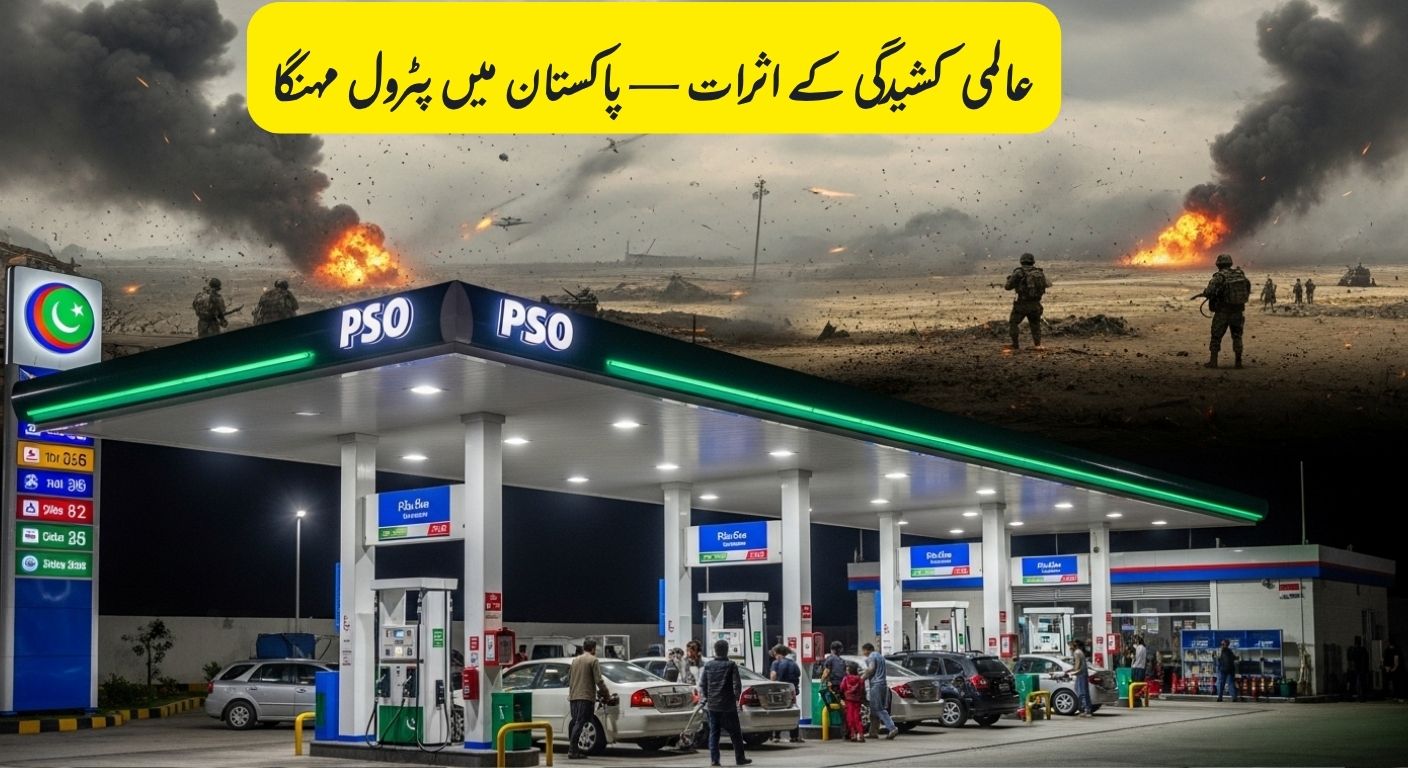
Petrol is very important for daily life in Pakistan. People use it in cars, bikes, buses, trucks, and even generators at home or in offices. Any change in petrol prices affects everyone.


In 2026, many people are worried that petrol prices may rise by Rs. 10 to 15 per liter. Let’s explain the current situation, why petrol prices change, and what might happen in the coming months.
Current Petrol Price in Pakistan (2026)
As of now, the petrol price in Pakistan is:
- Petrol: Rs. 253.17 per liter
- Diesel: Rs. 242 per liter
- CNG: Rs. 220–225 per kg
These prices are based on international oil rates, currency value, and government taxes. Prices can change monthly depending on these factors.



Why Petrol Prices Change
Petrol prices in Pakistan are not fixed. They can rise or fall because of several reasons:
1. International Oil Rates
Pakistan imports most of its petrol. If global oil prices go up, local petrol prices increase. If oil prices fall, petrol becomes cheaper.
2. Currency Exchange Rate
Petrol is bought in US dollars. If the Pakistani rupee weakens against the dollar, petrol becomes more expensive in rupees.
3. Government Taxes
Taxes like GST, petroleum levy, and federal duties are added to petrol prices. Any increase in these taxes makes petrol cost more.
4. Fuel Price Adjustment Formula
The government sometimes adjusts petrol prices based on monthly changes in international fuel costs, which can make prices go up or down.
5. Supply and Demand
During high demand periods (holidays, summer travel) or supply issues (refinery problems), petrol prices may rise temporarily.
Could Petrol Increase by Rs. 10–15 per Liter?
Many experts say that a price increase of Rs. 10–15 per liter is possible in 2026. Reasons include:
- Rising global oil prices due to conflicts or supply issues
- Weakening Pakistani rupee against the US dollar
- Increase in government taxes
- Higher demand during holidays or peak travel seasons
If this happens:
- Current price: Rs. 253.17 per liter
- Possible increase: Rs. 10–15
- New estimated price: Rs. 263–268 per liter
However, this is not official and depends on government announcements.
How Petrol Price Increases Affect Everyone
A rise in petrol prices impacts almost all parts of daily life:
- Transportation Costs
- Bus, taxi, and delivery fares may go up.
- Goods and Food Prices
- Transporting groceries and goods becomes more expensive, increasing prices in markets.
- Household Budget
- Families using cars or generators will need more money for fuel.
- Businesses and Industries
- Companies relying on fuel for machines, trucks, or production face higher costs.
Tips to Save Fuel and Money
If petrol prices rise, you can reduce fuel use:
- Use Public Transport: Cheaper than personal cars.
- Carpool or Share Rides: Saves money and fuel.
- Drive Carefully: Avoid speeding and unnecessary idling.
- Switch to CNG or Electric Vehicles: CNG is cheaper; electric cars save petrol.
- Plan Trips: Combine errands into one journey.
- Use Fuel-Efficient Vehicles: Cars with smaller engines use less petrol.
Government Measures
To prevent huge price hikes, the government may:
- Give subsidies to certain sectors
- Use fuel price adjustments carefully
- Encourage local refining to reduce import dependency
These steps can help avoid sudden spikes in petrol prices.
Historical Petrol Price in Pakistan
Here’s how petrol prices increased over the years (per liter):
| Year | Price (Approx PKR) |
|---|---|
| 2000 | 30–35 |
| 2010 | 80–90 |
| 2020 | 110–120 |
| 2025 | 240–245 |
| 2026 | 253.17 |
This shows that petrol has steadily become more expensive over the last 25 years due to inflation, global oil prices, and currency changes.
Conclusion
Petrol is essential for Pakistan’s daily life, and its price depends on global oil markets, currency strength, government taxes, and supply-demand balance.
In 2026, the petrol price is Rs. 253.17 per liter, and there is a chance it may rise by Rs. 10–15 per liter, which could bring the price to around Rs. 263–268 per liter.
To manage costs, people can save fuel, use public transport, carpool, or switch to CNG/electric vehicles. The government may also act to control extreme price increases.
Understanding petrol prices helps families plan budgets and be ready for changes in daily expenses.