Punjab Approves Free Treatment for Cancer, Stroke, and Heart Patients — A Major Healthcare Milestone (2026)
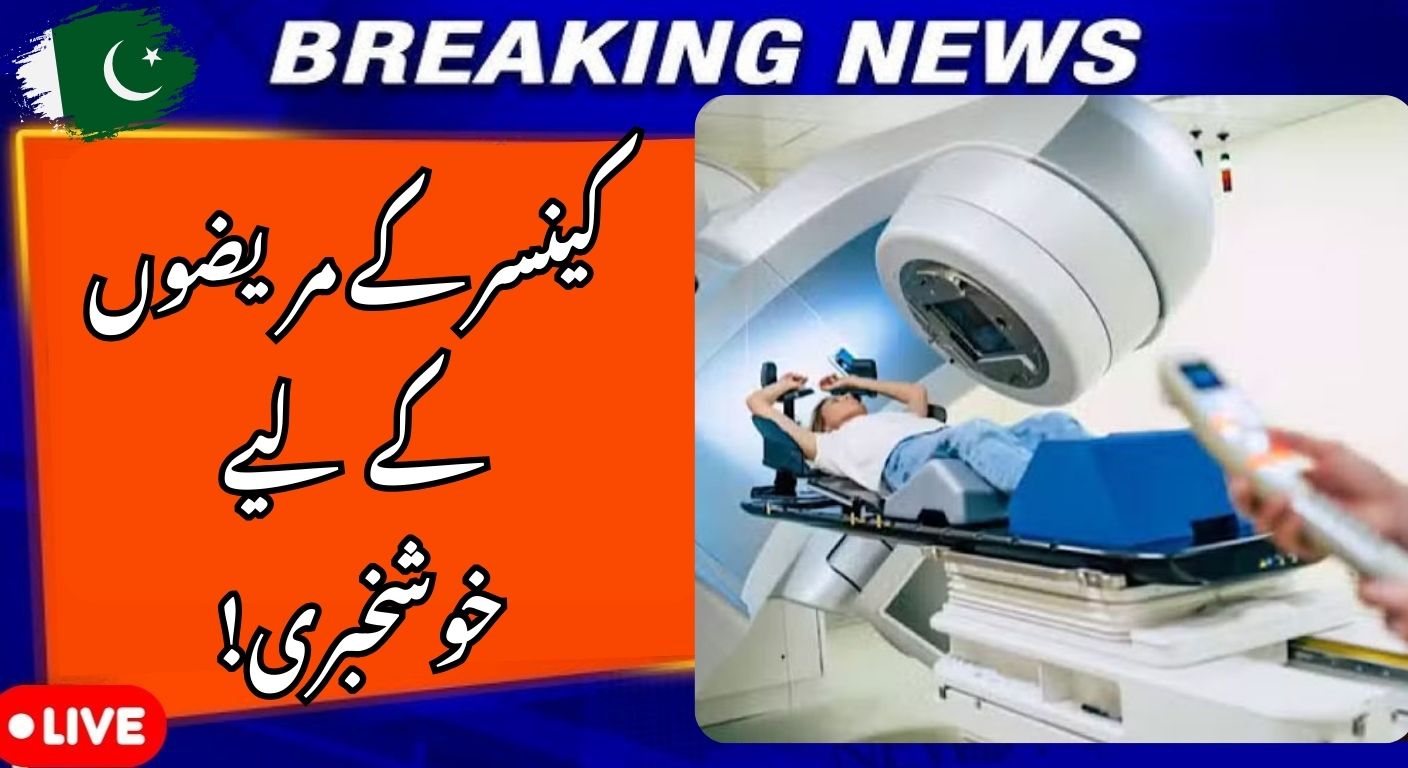
In a landmark move for public health, the Punjab government has approved a wide-ranging programme to provide free medical treatment for cancer, stroke, and heart patients across the province in 2026. This decision represents one of the most ambitious healthcare reforms in Pakistan’s history, aimed at easing financial hardship for families dealing with serious illnesses.



The initiative was finalized by the Punjab Health Initiative Management Company (PHIMC) board — chaired by Punjab Health Minister Khawaja Salman Rafique — and reflects a strong political and administrative commitment to expanding access to life-saving care for all citizens, especially the poor and middle class.
Below, we break down the key components, what is covered, where treatment is available, cost implications, and why this decision matters for patients and the healthcare system in Punjab.
Why This Initiative Is Important
Health care costs in Pakistan have been rising steadily over the past decade, especially for major diseases like cancer, heart disease, and stroke. These conditions require complex and long-term treatment, which many families simply cannot afford.


Prior to this, most patients had to pay large sums for:
- Chemotherapy and radiation
- Specialized surgeries
- Long-term medical management
- Life-saving injections and medications
The new initiative aims to remove financial barriers for these patients so that no one is denied care because of poverty.
Core Components of the Free Treatment Programme
The programme is built around four major pillars of care:
1. Free Cancer Treatment Programme
Punjab has approved an annual budget of Rs. 13 billion for cancer care. Under this programme, patients will receive:
- Free diagnosis and screening
- Chemotherapy and targeted therapies
- Radiotherapy and imaging services
- Surgical procedures as needed
- Ongoing medical and follow-up care
This ensures that patients can begin treatment promptly without worrying about cost.
2. Free Stroke Care and Management
Stroke is a major cause of disability and death. To address this:
- The government approved over Rs. 1.2 billion per year for stroke patients
- The key component includes free provision of TNK injection, a life-saving clot-buster drug that costs around Rs. 300,000 per dose in the private market
- Early treatment greatly increases survival and recovery chances
Officials report that more than 700 stroke patients across Punjab were successfully treated under the programme last year.
3. Free Heart Care and Surgery
Heart diseases are among the leading causes of death in Pakistan. The government has approved two major efforts:
a) Adult Cardiac Surgery Programme
- Free heart surgeries and related treatments
- Annual spending projected at Rs. 3 billion
b) Children’s Heart Surgery Programme
- So far, 9,648 children have received free heart surgeries across the province
- Beneficiaries include children from within Punjab and other regions such as Khyber-Pakhtunkhwa, Azad Kashmir, Islamabad, Balochistan, Sindh, and Gilgit-Baltistan
- The children’s programme has cost billions of rupees — fully covered by the government
These programmes ensure that both adult and pediatric cardiac patients receive timely care.
4. Free Organ Transplant Services
Punjab’s health reforms also extend to complex procedures like organ transplants. So far, 1,151 free transplants have been performed, including:
| Type of Transplant | Performed Free of Cost |
|---|---|
| Kidney transplants | 613 |
| Cochlear implants | 315 |
| Liver transplants | 185 |
| Bone marrow transplants | 16 |
| Corneal transplants | 22 |
These services have given new life to many patients who would otherwise be unable to afford such advanced procedures.
Stroke Management Centres Across Punjab
To ensure timely care for stroke patients, 14 dedicated stroke management centres have been opened in major districts. These include:
- Services Hospital, Lahore
- General Hospital, Lahore
- Mayo Hospital, Lahore
- Nishtar Hospital, Multan
- Sheikh Zayed Hospital, Rahim Yar Khan
- Additional centres in Rawalpindi, Sialkot, Gujranwala, Narowal, Dera Ghazi Khan, and Layyah
The government has also instructed authorities to expand stroke services to more districts in the coming months.
Hospitals Offering Free Treatment
Under this programme, major public hospitals and health institutes across Punjab are empanelled and equipped to provide free care. These hospitals offer a range of services, from initial evaluation to complex procedures and long-term follow-up.
The expansion of facilities has widened access, especially for underserved areas where patients previously had to travel long distances for specialized care.
Operational and Quality Improvements
Improving the patient experience at empanelled hospitals has also been a priority. Officials have issued directives to:
- Enhance service delivery speed
- Improve coordination between departments
- Ensure transparent handling of patient cases
- Respond quickly to complaints
This is part of a broader plan to enhance the quality of public healthcare in Punjab.
Annual Health Expenditure Overview
Pakistan’s public healthcare budget is often strained due to high treatment costs and limited resources. The new free healthcare programmes involve significant annual expenditure by the Punjab government:
| Programme | Estimated Annual Cost |
|---|---|
| Cancer Treatment | Rs. 13 billion |
| Stroke Management | Rs. 1.2 billion |
| Adult Cardiac Surgery | Rs. 3 billion |
| Children’s Heart Surgeries | Billions (cumulative) |
| Free Organ Transplants | Significant ongoing cost |
These expenditures reflect a major financial commitment by the provincial government to improve health outcomes.
Why This Matters for Patients and Families
1. Relief from Financial Burden
Serious illnesses like cancer and heart disease often require costly, long-term care. Many families struggle to pay out-of-pocket for treatment. These programs ensure that no patient will be denied care due to lack of funds.
2. Greater Access to Advanced Care
Patients can now access a range of advanced treatments and surgeries that were previously unaffordable for many.
3. Better Outcomes Through Early Treatment
Especially for conditions like stroke, early access to care — such as free TNK injection — can significantly improve recovery and survival.
4. Health Equity and Inclusion
Free services help bridge the gap between rich and poor, ensuring equitable healthcare access for all citizens across Punjab.
Challenges and Future Directions
While this initiative represents a major step forward, experts say there are challenges ahead:
Sustainable Funding
Maintaining multi-billion rupee programmes requires careful budgeting and revenue planning.
Quality of Care
Ensuring that free services meet high clinical standards is critical.
Infrastructure Expansion
More facilities and trained specialists are needed in rural and underserved districts.
Public Awareness
Educating citizens about available services and how to access them is essential for success.
Officials have acknowledged these challenges and are working on strengthening the overall healthcare system over the long term.
Long-Term Health Reforms in Punjab
This decision is part of a larger effort by the Punjab government to modernize and reform the health sector. New initiatives include community health programmes, preventive care strategies, and expansion of specialized institutes.
The Chief Minister has also introduced health cards and similar systems to simplify access to free treatment and has set deadlines for new medical facilities to become operational.
Conclusion
The approval of free treatment for cancer, stroke, heart disease, and complex procedures like organ transplants marks a historic step in public healthcare in Punjab. With billions of rupees invested annually, the provincial government is working to ensure that no patient is left without treatment due to financial constraints.
This initiative will not only save lives but also improve the quality of life for thousands of families across the province. By expanding services, improving hospital performance, and prioritizing accessibility, Punjab is setting a benchmark for public health reforms in Pakistan.